Getting tested for sexually transmitted diseases (STDs) is an important aspect of maintaining your sexual health and well-being. std sti testing near me If you’re considering an STD test, it’s natural to feel a bit nervous or unsure about the process. The good news is that STD testing is generally quick, simple, and non-invasive. Understanding what to expect during the testing process can help ease any anxiety and ensure you’re fully prepared. In this article, we’ll walk you through the step-by-step process of getting an STD test, so you know exactly what to expect from start to finish.
- The initial Consultation and Assessment
The first step in the STD testing process typically involves an initial consultation with a healthcare provider. This may take place at a clinic, doctor’s office, or through an online health service, depending on your preferences. During this consultation, the healthcare provider will ask you about your sexual history, risk factors, and any symptoms you may be experiencing. Be honest about your sexual activity, any previous diagnoses, and whether you’ve had multiple partners or unprotected sex, as this information helps guide the testing process.
If you’re getting tested due to a specific concern, like a potential exposure or symptoms such as unusual discharge, sores, or pain, the healthcare provider will ask more detailed questions about your symptoms. Based on your answers, they will recommend the appropriate tests. For example, if you’re experiencing pain during urination, they might suggest testing for chlamydia or gonorrhea, while if you’ve had a possible HIV exposure, they’ll likely recommend an HIV test. Understanding your health and history allows your healthcare provider to offer the most accurate and effective testing options.
- Choosing the right Tests for you
Once your healthcare provider has assessed your sexual health history, they will determine which tests you need. There are different types of tests that detect various STDs, including bacterial, viral, and parasitic infections. Some tests may be performed on a blood sample, while others may require urine or swab samples. Common STDs like chlamydia, gonorrhea, syphilis, and HIV may all require different types of tests.
For example, a blood test is typically used for conditions like HIV, syphilis, and hepatitis, while a urine test is commonly used for chlamydia and gonorrhea. If you’re showing symptoms of herpes, your healthcare provider may take a sample from a sore to test for the herpes simplex virus (HSV). Depending on the type of test, the healthcare provider will either collect the necessary sample during the consultation or provide instructions on how to collect the sample on your own if you’re using at-home testing.
- The Testing Process: What happens During the Test?
The actual process of testing for STDs is usually quick and straightforward. The type of test you undergo will determine how the sample is collected:
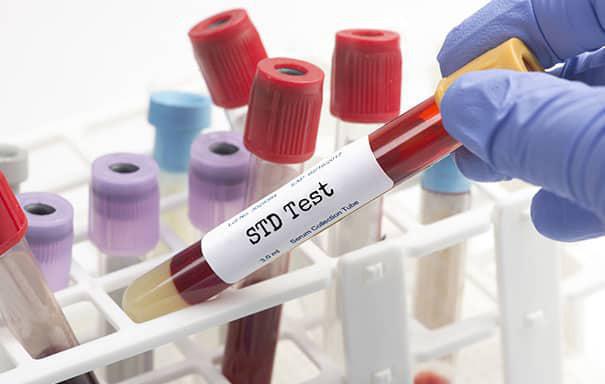
Blood Test: For a blood test, a healthcare professional will take a small blood sample from a vein, typically in your arm. The process may involve a quick needle stick, but it’s generally not painful. Once the sample is collected, it will be sent to a lab for analysis.
Urine Test: A urine sample is typically required for tests such as chlamydia or gonorrhea. You will be asked to provide a urine sample by urinating in a sterile container. The process is non-invasive, and the sample is sent to a laboratory for analysis.
Swab Test: If your healthcare provider is testing for a condition like gonorrhea, chlamydia, or herpes, they may use a cotton swab to take a sample from your genital area, anus, or throat. This may be slightly uncomfortable, but it’s usually over quickly. For women, a swab may be taken from the cervix during a pelvic exam.
In many cases, a healthcare provider will give you the option to get tested for multiple STDs during the same visit, which is a good idea for comprehensive sexual health screening.
- Understanding the Timing of Results
After your sample is collected, it will typically be sent to a laboratory for analysis. The time it takes to receive your results will depend on the type of test and the facility, but results are usually available within a few days to a week. Some clinics or health services offer expedited testing with results available within a couple of days or even on the same day for certain conditions like HIV. In the case of more complex or less common infections, it may take a bit longer to receive results.
It’s important to note that the timing of your test can impact the accuracy of the results. For example, if you were recently exposed to an STD like HIV, it may take several weeks for the virus to show up in your blood. This is why it’s crucial to follow up with additional tests if you’re concerned about recent exposures. Your healthcare provider can help guide you on the best time to test based on your situation.
- What happens After the Test: Interpreting the results
Once your results are ready, your healthcare provider will contact you to discuss them. If your test results come back negative, this generally means that no infections were detected, and you’re in the clear. However, keep in mind that no test is 100% accurate, so if you’ve had recent exposure to an STD or have symptoms, your healthcare provider may recommend retesting at a later date.
If your results come back positive, it’s important to remember that many STDs are treatable, and early detection is key to preventing complications. Depending on the STD, your healthcare provider will explain the treatment options available, which may include antibiotics for bacterial infections or antiviral medications for viral conditions. For some STDs, like herpes, there is no cure, but antiviral medications can help manage the infection and reduce outbreaks.
If you test positive for an STD, it’s crucial to inform your sexual partners so they can get tested and treated as well. This helps prevent the further spread of the infection and promotes a healthy sexual environment for everyone involved.
- The importance of Regular Testing and Safe Practices
While getting tested is important, it’s equally important to maintain healthy sexual practices to reduce the risk of STDs in the future. Using condoms or dental dams during sexual activity can help protect against many STDs, but no method is 100% effective. Regular STD testing, even when you don’t have symptoms, helps ensure that you’re staying on top of your sexual health.
If you’re in a monogamous relationship, it’s still a good idea for both partners to get tested before becoming sexually active, especially if either partner has a history of past sexual activity with others. Regular testing should be part of your overall sexual health routine, alongside practices like communication with your partner(s) and using protection.
Conclusion
Getting an STD test is a simple and effective way to take control of your sexual health. Understanding what to expect during the testing process can help alleviate any concerns and make the experience less intimidating. Whether you’re testing for peace of mind or due to a specific concern, the testing process is generally straightforward and minimally invasive. Early detection through testing is vital for ensuring you get the right treatment and prevent long-term complications. So don’t hesitate to schedule a test—your health and peace of mind are worth it.