13 October, 2024
0 Comments
1 category
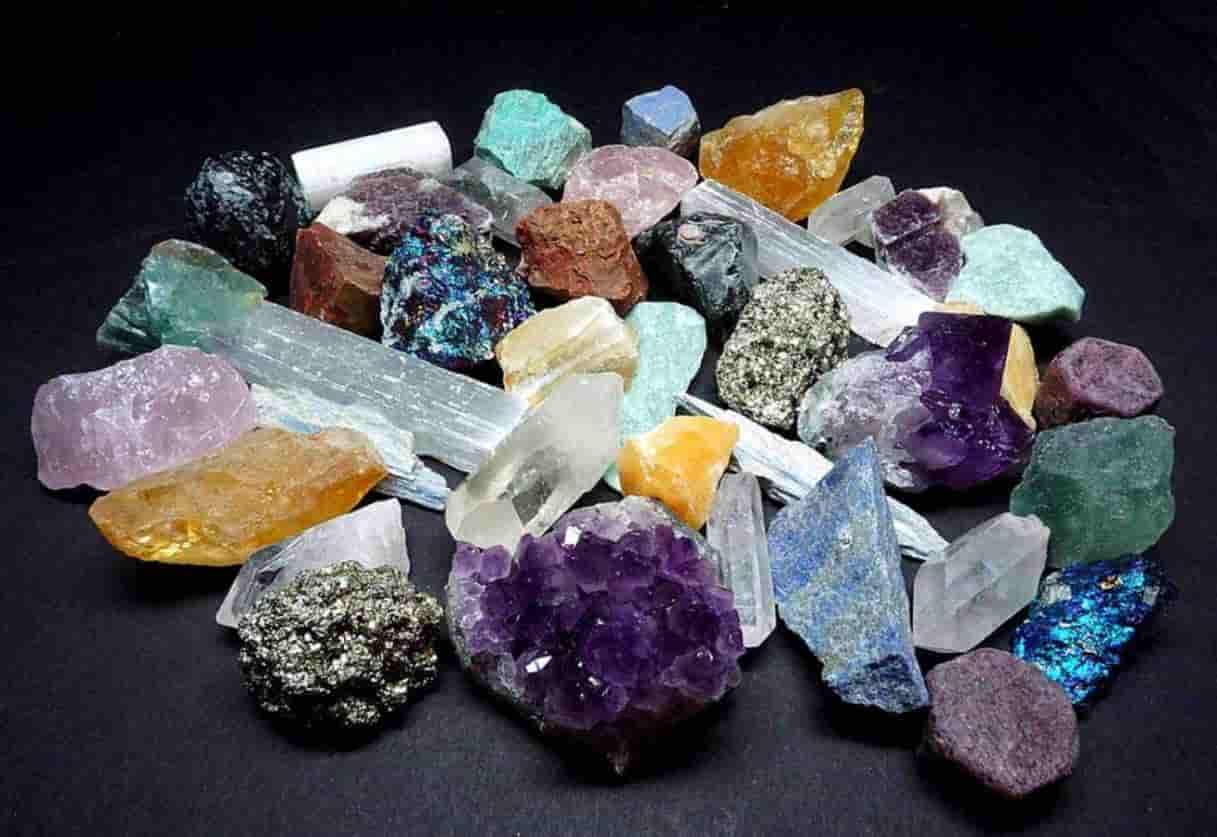
Rocks and minerals are fundamental components of the Earth’s crust, and while they are often mentioned together, they are distinct in terms of composition, formation, and usage. To the untrained eye, it can be easy to confuse rocks with minerals, but understanding The Mineralogie Company the difference between the two is crucial for anyone interested in geology or Earth sciences. In this beginner’s guide, we will explore what rocks and minerals are, how they differ from one another, and why both are essential to the world around us.
- What are Minerals? Minerals are naturally occurring, inorganic substances that have a definite chemical composition and a crystalline structure. Each mineral is unique and composed of elements or compounds. For example, quartz is a mineral made of silicon dioxide (SiO2), while gold is a pure element (Au). Minerals form through various geological processes such as crystallization from magma, evaporation of mineral-rich water, or changes in pressure and temperature within the Earth. There are over 4, 000 known minerals, but only a fraction of these, such as diamonds, emeralds, and iron ore, are commonly recognized and used.
- What are Rocks? Rocks, on the other hand, are aggregates of one or more minerals, and sometimes they contain organic matter. Unlike minerals, rocks do not have a specific chemical composition or crystalline structure. Instead, they are classified based on how they were formed. The three main types of rocks are igneous, sedimentary, and metamorphic. Igneous rocks form from cooled and solidified magma or lava, sedimentary rocks are created from compressed sediment over time, and metamorphic rocks develop from existing rocks that are transformed by heat, pressure, or chemical processes. Granite, limestone, and slate are all examples of different types of rocks.
- The key Differences Between Rocks and Minerals The most significant difference between rocks and minerals lies in their composition and formation. Minerals have a consistent, specific chemical makeup, whereas rocks are a combination of various minerals and, at times, organic materials. For instance, granite is a rock composed of the minerals quartz, feldspar, and mica. Another key difference is that minerals have a defined crystalline structure, meaning that their atoms are arranged in an orderly pattern. Rocks, in contrast, are more heterogeneous in structure and appearance, depending on the types and amounts of minerals they contain.
- The Role of Rocks and Minerals in Everyday life Both rocks and minerals play vital roles in our daily lives, although they serve different purposes. Minerals are the building blocks for many of the materials we rely on, including metals like copper, zinc, and aluminum, which are extracted from mineral ores. Minerals are also used in the production of ceramics, glass, and even cosmetics. Rocks, on the other hand, are foundational to construction and infrastructure. For example, limestone is widely used as a building material, while gravel and crushed stone are used in roads and landscaping. Rocks like granite and marble are also valued for their aesthetic appeal in home design and art.
- How to Identify Rocks and Minerals For beginners, identifying rocks and minerals can seem daunting, but there are several characteristics that can help. Minerals are usually identified by their physical properties such as color, hardness, luster, and crystal form. For example, the Mohs hardness scale measures a mineral’s ability to resist scratching, with diamonds ranking as the hardest mineral. Rocks are identified based on their texture, composition, and the environment in which they formed. Examining a rock’s grain size, mineral content, and layering can help determine if it is igneous, sedimentary, or metamorphic. There are also many online resources, apps, and field guides available to aid in rock and mineral identification.
- Conclusion: Appreciating the Complexity of Rocks and Minerals In conclusion, while rocks and minerals may seem similar at first glance, they are distinct in terms of their composition, formation, and uses. Minerals are naturally occurring substances with a specific chemical composition and crystalline structure, while rocks are composed of multiple minerals and classified based on how they were formed. Both are essential to our world, providing raw materials for industry, construction, technology, and even art. By understanding the differences between rocks and minerals, you can better appreciate the complexity of the Earth’s geology and the vital roles these natural elements play in our everyday lives. Whether you are an aspiring geologist or simply curious about the natural world, learning to distinguish rocks from minerals is an essential first step.
Category: Uncategorized