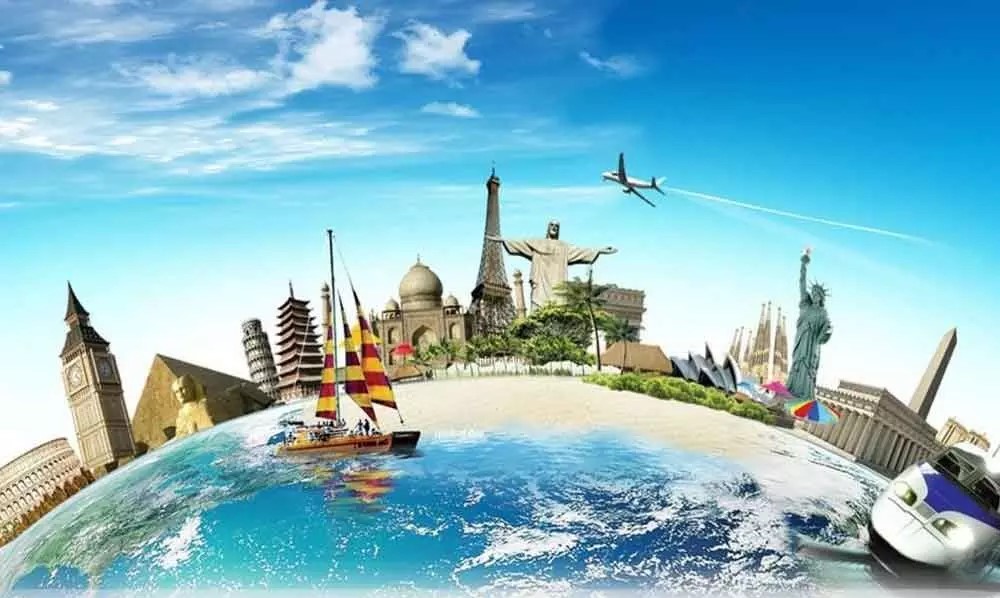
Tourism is a multifaceted industry that touches every corner of the world, bringing with it economic benefits, cultural exchanges, and personal experiences that shape the way people perceive the world around them. The growth of the tourism industry over the past few decades has been remarkable, with advancements in technology, increased accessibility 旅行團, and globalization playing pivotal roles. However, alongside these developments come challenges that need to be addressed in order to ensure that tourism remains sustainable and beneficial for both travelers and host communities.
The rise of digital technology has transformed the way people plan and experience travel. In the past, organizing a trip required visiting travel agencies, purchasing guidebooks, and relying on word-of-mouth recommendations. Today, with the click of a button, travelers can compare flight prices, book accommodations, and read reviews from other visitors. This ease of access has opened up travel opportunities for millions of people, making it possible to explore new destinations with minimal effort. Additionally, social media has become a powerful tool for promoting tourism, with platforms like Instagram and Youtube providing travelers with inspiration and showcasing popular tourist spots. The influence of travel bloggers and influencers has created a new wave of travel enthusiasts, eager to replicate the experiences they see online.
Despite the advantages of technology, it has also contributed to the phenomenon of “over-tourism. ” This occurs when popular destinations become overcrowded, leading to environmental degradation, a diminished quality of life for local residents, and an overall negative experience for visitors. Places like Venice, Barcelona, and Bali have all faced issues with over-tourism, as large numbers of visitors put pressure on infrastructure, natural resources, and cultural heritage sites. In response, many destinations are implementing measures to manage tourism more effectively, such as limiting the number of visitors, promoting off-season travel, and encouraging tourists to explore less-visited areas.
Sustainable tourism has emerged as a critical movement within the industry. As more people become aware of the environmental and social impact of their travels, there is a growing demand for eco-friendly and socially responsible travel options. Sustainable tourism aims to minimize the negative effects of tourism on the environment while ensuring that local communities benefit from the economic opportunities it provides. This can take many forms, from supporting locally-owned businesses and choosing accommodations that prioritize sustainability to participating in conservation efforts and respecting the cultural practices of host communities. The goal is to create a balance where tourism can thrive without depleting the natural and cultural resources that make destinations special.
One of the most significant shifts in tourism has been the rise of experiential and cultural travel. Modern travelers are increasingly seeking deeper connections with the places they visit, moving beyond superficial sightseeing to engage with local culture and traditions. This shift is evident in the growing popularity of activities such as cooking classes, cultural tours, and home-stay accommodations, which offer travelers a more immersive experience. Rather than simply visiting tourist attractions, travelers are looking for opportunities to learn, interact, and gain a deeper understanding of the destinations they visit. This has led to an increased emphasis on cultural preservation and the promotion of local arts, crafts, and traditions as part of the tourism experience.
Adventure tourism is another segment of the industry that has seen tremendous growth. As people seek more active and unconventional ways to spend their vacations, destinations that offer outdoor adventures have gained popularity. From hiking and rock climbing to scuba diving and paragliding, adventure tourism provides an opportunity for travelers to push their physical limits and explore some of the world’s most remote and pristine landscapes. However, like any form of tourism, adventure travel must be managed responsibly to ensure that fragile ecosystems are not harmed by an influx of visitors. Many adventure tour operators now emphasize sustainable practices, such as limiting the number of participants in high-impact activities and supporting local conservation efforts.
The COVID-19 pandemic had a profound impact on the global tourism industry. With travel restrictions and health concerns at the forefront, the industry came to a virtual standstill, leading to widespread job losses and financial struggles for many businesses. However, the pandemic also gave rise to new trends in travel, as people began to reevaluate their priorities and preferences. One notable trend was the rise of domestic tourism, with travelers opting to explore their own countries rather than venturing abroad. Road trips, camping, and visits to national parks surged in popularity as people sought safe and socially distanced travel options. This shift toward domestic tourism has continued even as international travel resumes, with many people discovering hidden gems close to home.
Another emerging trend is the concept of “slow travel, ” which encourages travelers to take their time and fully immerse themselves in one destination rather than rushing from place to place. Slow travel is about quality over quantity, allowing travelers to connect more deeply with the places they visit and reduce their environmental impact by minimizing flights and other forms of transportation. This approach aligns with the growing desire for more meaningful and sustainable travel experiences. Travelers are increasingly choosing to stay longer in one location, supporting local businesses and engaging with the community, rather than ticking off a list of must-see attractions.
Wellness tourism has also gained momentum in recent years, particularly as people seek to prioritize their health and well-being in response to the stresses of modern life. Wellness tourism encompasses a wide range of activities, from spa retreats and yoga vacations to meditation and detox programs. Travelers are looking for destinations that offer not only relaxation but also opportunities for personal growth and rejuvenation. This trend reflects a broader shift toward self-care and mindfulness, as people seek out experiences that nurture both body and mind.
As the tourism industry continues to evolve, the focus on sustainability, cultural preservation, and responsible travel will likely become even more prominent. Destinations that embrace these values and offer unique, meaningful experiences will be well-positioned to thrive in the future. At the same time, the industry will need to address challenges such as over-tourism, climate change, and the ongoing effects of the pandemic to ensure that tourism remains a force for good in the world. Ultimately, the future of tourism will depend on finding a balance between the economic benefits it brings and the need to protect the environment, preserve cultural heritage, and promote positive social impacts.