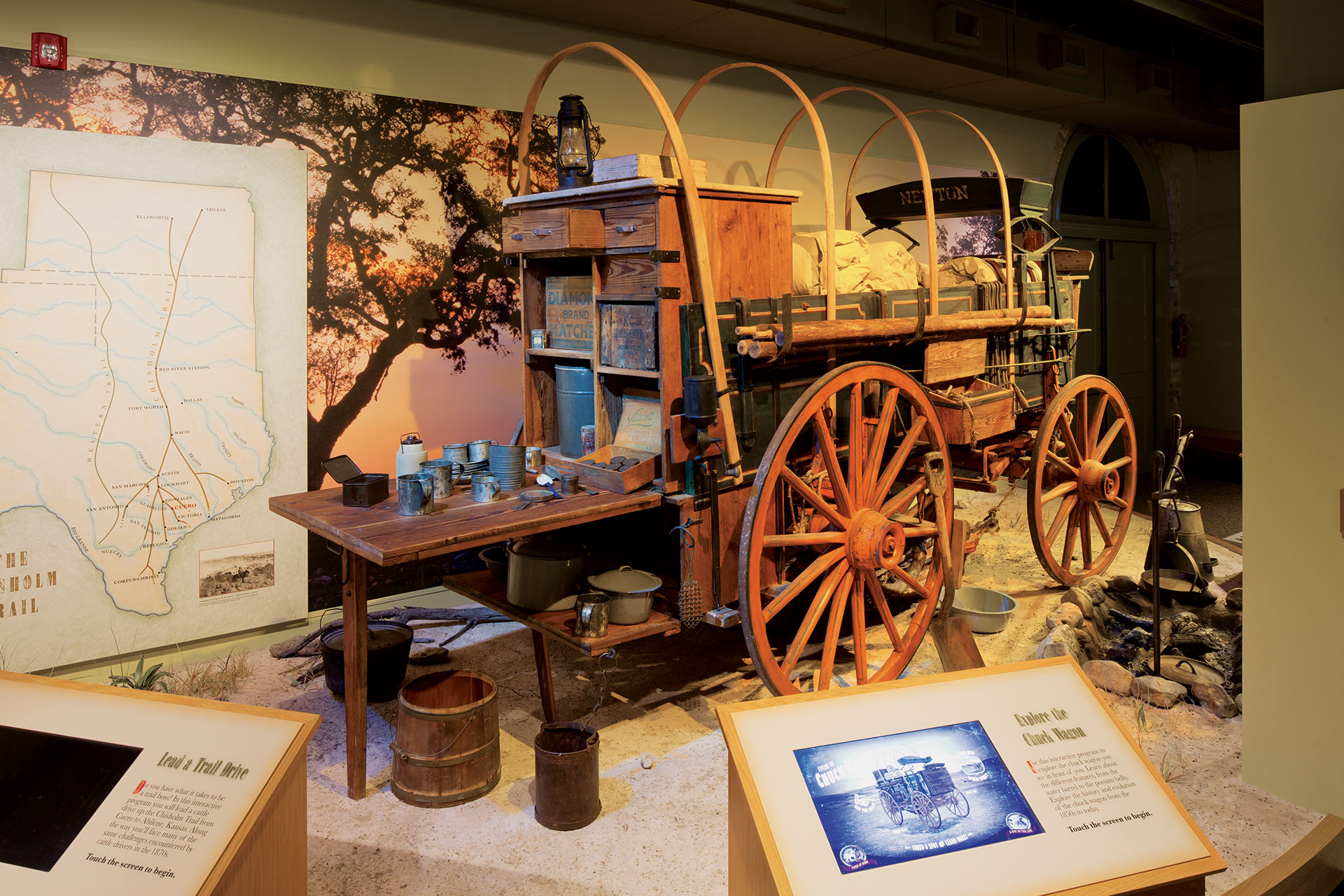
The Chisholm Trail, an iconic route that came to define the era of cattle drives in the American West, holds a unique and transformative place in U. S. history. Between the late 1860s and the 1880s, millions of cattle were herded from Texas ranches to Kansas railheads, marking the trail as a vital artery for the American economy in the post-Civil War years. The trail chisholm trail, named after Jesse Chisholm, a trader who helped blaze parts of the route, spanned over 800 miles through challenging landscapes, including wide plains, thick brush, and turbulent rivers. Its significance lies not only in its economic impact but also in how it shaped the cultural fabric of the American West, immortalizing the cowboy as a national symbol of grit and adventure.
The origins of the Chisholm Trail are steeped in necessity. After the Civil War, Texas ranchers found themselves with vast herds of cattle but few local markets to sell them. Meanwhile, cities in the North were experiencing a growing demand for beef, which had become scarce during the war. The solution lay in connecting Texas cattle with northern markets, and the Chisholm Trail emerged as the most practical route. Starting near the Rio Grande and winding north through Indian Territory (modern-day Oklahoma) to railheads in Kansas towns like Abilene, the trail provided a path for cattle drives that could take up to three months to complete. Cowboys, often young men of diverse backgrounds, rode alongside the herds, enduring harsh weather, long days, and the ever-present risk of stampedes.
Jesse Chisholm, for whom the trail is named, was a trader and frontier scout of Scottish-Cherokee heritage. In the early 1860s, he established a network of trading posts along a north-south corridor in what is now Oklahoma, paving the way for what would become the Chisholm Trail. Though Chisholm himself did not use the route for cattle drives, his efforts in blazing this trail became crucial once cattle ranchers began driving herds northward. The trail soon became a bustling corridor, filled with cowboys, cattle, and the occasional conflicts with Native American tribes whose lands were being traversed. Despite the hardships, the trail represented a lifeline for many ranchers, and it rapidly gained fame as the premier route for Texas cattle heading north.
Life on the Chisholm Trail was anything but easy. Cowboys faced grueling conditions, riding for up to 15 hours a day and sleeping under the stars in all kinds of weather. The cattle drives required constant vigilance, as herds of thousands of cattle could be unpredictable, and a sudden noise could trigger a deadly stampede. Crossing rivers like the Red River and the Canadian River posed particular challenges, as swollen waters could easily drown cattle and riders alike. Despite the dangers, cowboys developed strong bonds with one another, sharing stories and songs around campfires to keep spirits high. The chuck wagon, a rolling kitchen invented by trail boss Charles Goodnight, provided hearty meals to sustain the men, serving staples like beans, biscuits, and salted beef. These experiences gave rise to a rich cowboy culture, full of traditions and lore that continue to capture the American imagination.
The Chisholm Trail’s legacy extends far beyond its practical function as a cattle route. It played a key role in opening up the American West to further settlement and development, while also driving the expansion of the railroad industry. Towns along the trail, such as Abilene, Caldwell, and Wichita, became bustling centers of commerce, complete with saloons, hotels, and stockyards. These boomtowns flourished thanks to the cattle trade and helped establish the infrastructure needed for the growing population of the Great Plains. However, as the era of cattle drives came to an end—due in large part to the expansion of railroads and the use of barbed wire to enclose land—the Chisholm Trail faded into history. Nevertheless, its impact remained, and the stories of cowboys, outlaws, and the trail itself have been enshrined in American folklore and popular culture.
Today, the Chisholm Trail is celebrated as a symbol of the pioneering spirit that shaped the American West. Museums and historical markers commemorate the trail’s legacy, inviting visitors to step back in time and imagine the sights and sounds of cattle drives. The Chisholm Trail Museum in Kingfisher, Oklahoma, and the Texas Cowboy Hall of Fame in Fort Worth are just two places where the history of the trail comes to life through artifacts, exhibits, and educational programs. By preserving the stories and struggles of the people who journeyed along this historic path, these institutions ensure that the Chisholm Trail remains a vital part of America’s cultural heritage. The trail’s story continues to inspire, reminding us of an era defined by resilience, adventure, and the relentless pursuit of opportunity on the vast, untamed plains of the American West.