Introduction: A short story, some numbers, and a question
I remember walking into a factory floor where a fan hummed louder than the people talking—an odd kind of urgency hangs in places like that. The motor controller sat in the corner, patched with duct tape and stickers, and I learned that downtime there cost the line roughly 2–3 hours a week on average (not tiny). motor controller failures alone accounted for a surprising slice of lost output. So I asked myself: are we letting old controllers drain productivity and patience?
I’ve seen this pattern more than once. When controllers age, issues with heat, mismatched torque, and outdated communication stack up. Edge computing nodes and power converters now change what a good controller must do. Which makes me wonder—are you still driving a workload with yesterday’s tools? Let’s walk through what you can spot, and why it matters next.
Where traditional solutions trip up (deep look at fail points)
Why do old controllers break the system?
variable speed controller for ac motor—that phrase gets tossed around, but many installations still cling to legacy VFDs and inverters that were never tuned for modern loads. I’ll be blunt: older units handle basic tasks, but they struggle with efficiency and precise torque control. PWM schemes built decades ago often leave noticeable torque ripple. The result? Vibration, noise, and extra wear on mechanical parts. Look, it’s simpler than you think: if the drive can’t modulate torque cleanly, the motor and gearbox pay for it.
Beyond control quality, communication is a hidden sink. Many old controllers use serial links or proprietary PLC protocols. That’s slow. It blocks real-time telemetry, so you can’t predict failures before they happen. I’ve watched teams miss early warnings because their controller couldn’t feed data to edge computing nodes for analysis—funny how that works, right? Add heat management problems and inefficient power converters, and you’ve got a device that costs more than it saves. These are not hypothetical issues. They show up as longer cycle times, higher energy bills, and more emergency service calls.
Looking forward: new principles and practical choices
What’s next—better controllers or full system rethink?
We should think beyond a like-for-like swap. Modern controllers pair smarter control algorithms with clearer telemetry. That means adaptive control loops, better thermal management, and tighter integration with PLC systems. When I evaluate upgrades, I want units that reduce torque ripple and support secure, real-time data. That combination cuts wear and helps teams plan maintenance instead of chasing breakdowns.
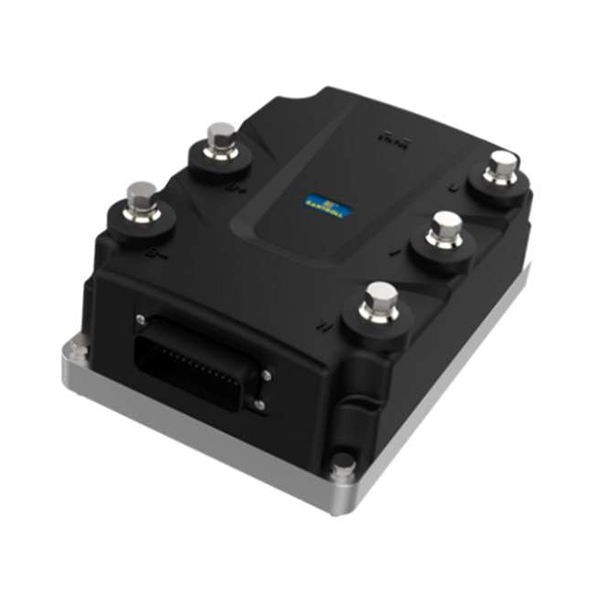
Also, consider how upgrades fit broader electric motor solutions: electric motor solutions now blend drives with monitoring and simple analytics. In practice, a newer drive can lower energy use, smooth startup torque, and report subtle anomalies before they become failures. I’ve recommended this approach to clients who then saw fewer false alarms and longer bearing life—real savings, not just promises. — and yes, you’ll need to balance cost and expected ROI, but the data usually points one way.
Three practical metrics I use when choosing an upgrade
I don’t pick drives by brand alone. Here are the three measures I use to evaluate candidates: 1) Control fidelity—how well does it manage torque and speed (look at torque ripple and PWM performance)? 2) Connectivity—does it support modern protocols and feed edge systems for analytics? 3) Thermal and efficiency specs—are the power converters and cooling rated to reduce losses under your typical load? Apply these, and you move from guesswork to clear choices.
To wrap up, I’ll say this plainly: upgrades aren’t just shiny tech. They solve real pain points—less downtime, lower energy use, and easier maintenance planning. If you want a partner that understands the details and the practical trade-offs, I’ve found Santroll worth a look. We can talk through specifics and I’ll share what I’d change first—based on real floors, real problems, and real results.