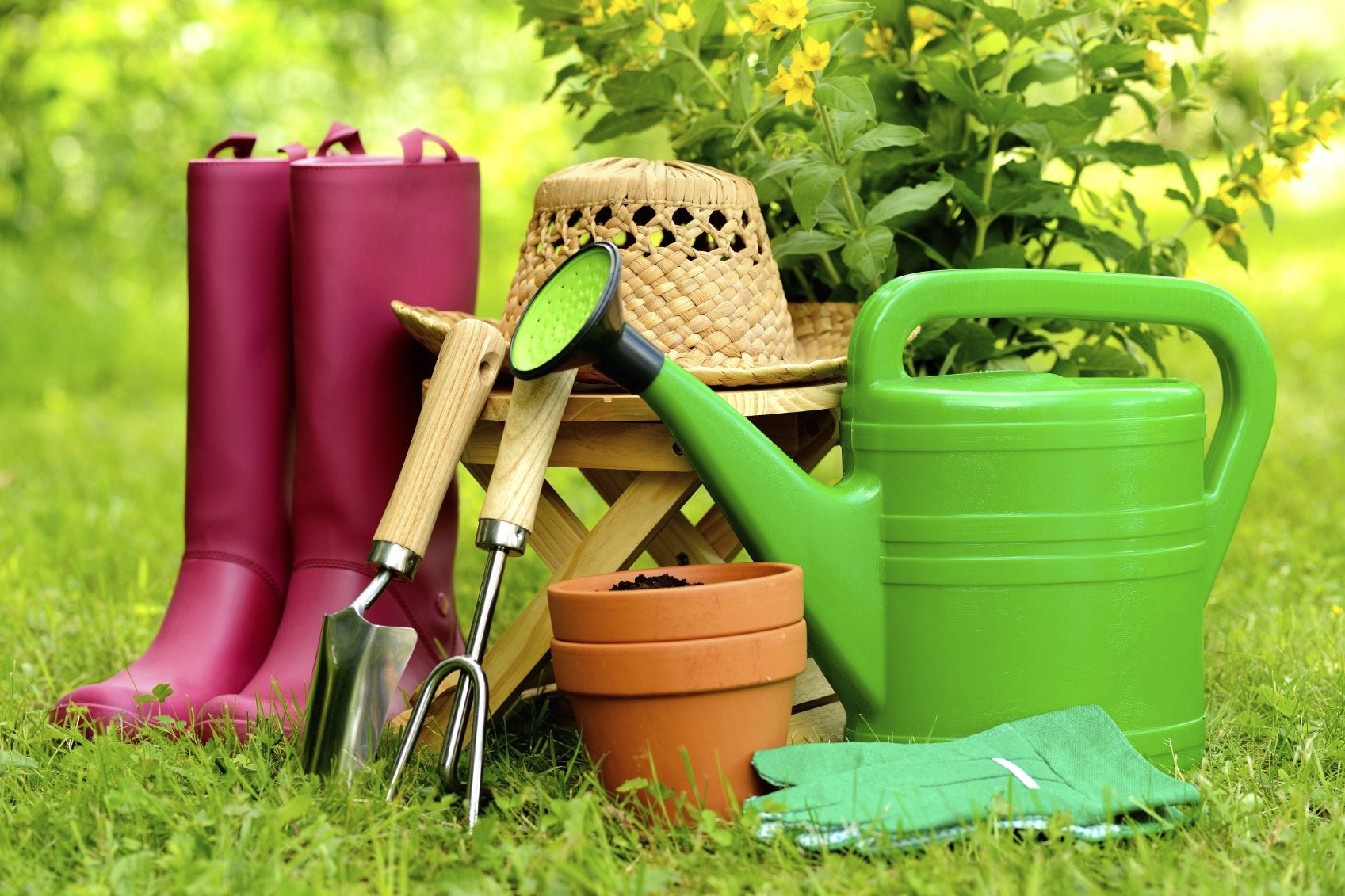
Gardening offers a fulfilling and enjoyable way to connect with nature and enhance the beauty of outdoor spaces. Essential gardening tools form the backbone of any gardener’s arsenal. Hand tools like trowels, hand forks, and weeders are indispensable for planting and maintaining a garden. A trowel is perfect for digging small holes and Gartenprodukte transplanting seedlings, while a hand fork helps loosen soil and remove weeds. Weed pullers are designed to extract weeds by the roots, ensuring they do not regrow. Larger tools such as spades and shovels are vital for more substantial tasks. Spades, with their flat blades, are ideal for cutting into the soil and creating clean edges, whereas shovels, with their curved blades, are better suited for scooping and moving materials. Garden forks, with sturdy tines, are excellent for turning over soil, aerating lawns, and breaking up compacted ground. For trimming and pruning, sharp secateurs are a must-have, easily cutting through stems and branches to promote healthy plant growth.
Watering is a crucial aspect of gardening that can be made easier and more efficient with the right equipment. A good quality garden hose with adjustable nozzles allows for precise control over water flow and pressure. For delicate plants and seedlings, a watering can with a fine rose attachment provides a gentle shower without damaging young plants. Drip irrigation systems offer a more automated solution, delivering a steady, slow release of water directly to plant roots, conserving water and ensuring optimal moisture levels.
Soil health is fundamental to a thriving garden, and various products can enhance it. Compost enriches the soil with essential nutrients and improves its structure, making it a valuable addition to any garden. Investing in a compost bin allows gardeners to recycle kitchen and garden waste into rich organic matter. Mulch, available in organic forms such as wood chips, straw, or leaf mold, helps retain soil moisture, suppress weeds, and regulate temperature. As it decomposes, mulch also adds nutrients to the soil, further benefiting plant health.
For those interested in growing their own food, a variety of seeds and seedlings are necessary. Easy-to-grow vegetables like tomatoes, lettuce, and beans are popular choices. Seed trays and pots are useful for starting plants indoors before transferring them to the garden. Raised beds provide good drainage, help control soil quality, and reduce pest risks, making them an excellent option for vegetable gardens.
Pest control is another critical area of gardening. Organic and chemical products are available to keep unwanted insects and animals at bay. Organic options include neem oil, insecticidal soaps, and diatomaceous earth, which effectively combat pests without harming beneficial insects or the environment. Physical barriers like netting or fencing can protect plants from larger pests such as birds, rabbits, and deer.
Garden décor and accessories enhance the beauty and functionality of outdoor spaces. Garden furniture, including benches, tables, and chairs, offers a place to relax and enjoy the surroundings. Decorative items like garden statues, bird baths, and wind chimes add charm and character. Lighting, whether solar-powered or electric, extends the enjoyment of the garden into the evening, highlighting features and creating a warm ambiance.
In conclusion, a well-equipped garden requires a variety of products, from basic tools to soil enhancers, watering equipment, pest control solutions, and decorative elements. Each of these components contributes to the health and beauty of the garden, making the time and effort invested in gardening both enjoyable and rewarding. Whether growing vegetables, maintaining flower beds, or creating a relaxing outdoor space, the right garden products can make a significant difference.