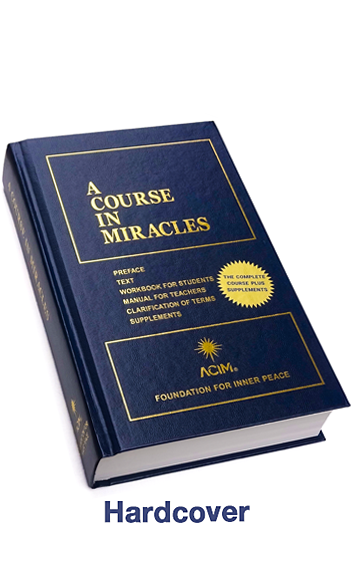
A course in Miracles, often referred to as ACIM, is a comprehensive spiritual text that has profoundly impacted modern spiritual thought since its release in 1976. Authored by Helen Schucman, a clinical and research psychologist, the course is claimed to a course in miracles videos be the result of inner dictation from an entity she identified as Jesus Christ. The course consists of three primary sections: the text, the Workbook for Students, and the Manual for Teachers, which together offer a detailed framework for personal transformation and spiritual enlightenment.
The core premise of a Course in Miracles is that the world we perceive is an illusion, a projection of our collective fears and guilt. According to the course, our true essence is spiritual, not physical, and we are all extensions of a divine source. This perspective challenges conventional views of reality, emphasizing the importance of inner peace and forgiveness. The course teaches that forgiveness is the key to healing our minds and returning to a state of oneness with our true self and with God.
The Workbook for Students contains 365 lessons designed to be completed over the course of a year, with each lesson building upon the previous ones. These lessons are practical exercises aimed at training the mind to perceive the world differently. They encourage students to let go of their attachment to the ego, which the course defines as a false sense of self rooted in fear and separation. By systematically practicing forgiveness and shifting their perception, students are guided toward experiencing miracles, defined as shifts in perception from fear to love.
A significant theme in a Course in Miracles is the concept of the Holy Spirit, portrayed as an inner guide or teacher who helps individuals navigate their spiritual journey. The Holy Spirit acts as a bridge between the illusory world of the ego and the true reality of God’s love. Through the Holy Spirit’s guidance, students learn to reinterpret their experiences and recognize the inherent love and divinity within themselves and others. This process of inner listening and guidance is essential for achieving the profound transformations that the course promises.
The text, the most extensive part of the course, provides the theoretical foundation for the teachings. It explains the metaphysical principles that underpin the course and offers a detailed analysis of the nature of the ego and the mechanisms of the mind. The text also explores the nature of true forgiveness and the barriers to love’s presence, emphasizing that the ultimate goal of the course is to awaken to the awareness of love’s presence, which is our natural inheritance.
The Manual for Teachers offers additional clarification on the course’s concepts and provides guidance for those who feel called to teach its principles. It addresses common questions and concerns that might arise during the study of the course and underscores the importance of practice and experience over theoretical understanding.
A course in Miracles has been both lauded and critiqued. Proponents argue that it provides profound insights and practical tools for spiritual growth and healing. Critics, however, have raised concerns about its origins and the potential for misinterpretation. Despite these differing perspectives, the course has undeniably made a significant impact on the spiritual landscape, attracting a diverse and dedicated following worldwide.
In conclusion, A course in Miracles presents a radical and transformative approach to spirituality. It challenges individuals to look beyond their physical reality and embrace a higher, more loving perspective. Through its teachings on forgiveness, perception, and the guidance of the Holy Spirit, the course aims to lead individuals toward profound inner peace and a deeper understanding of their true nature.