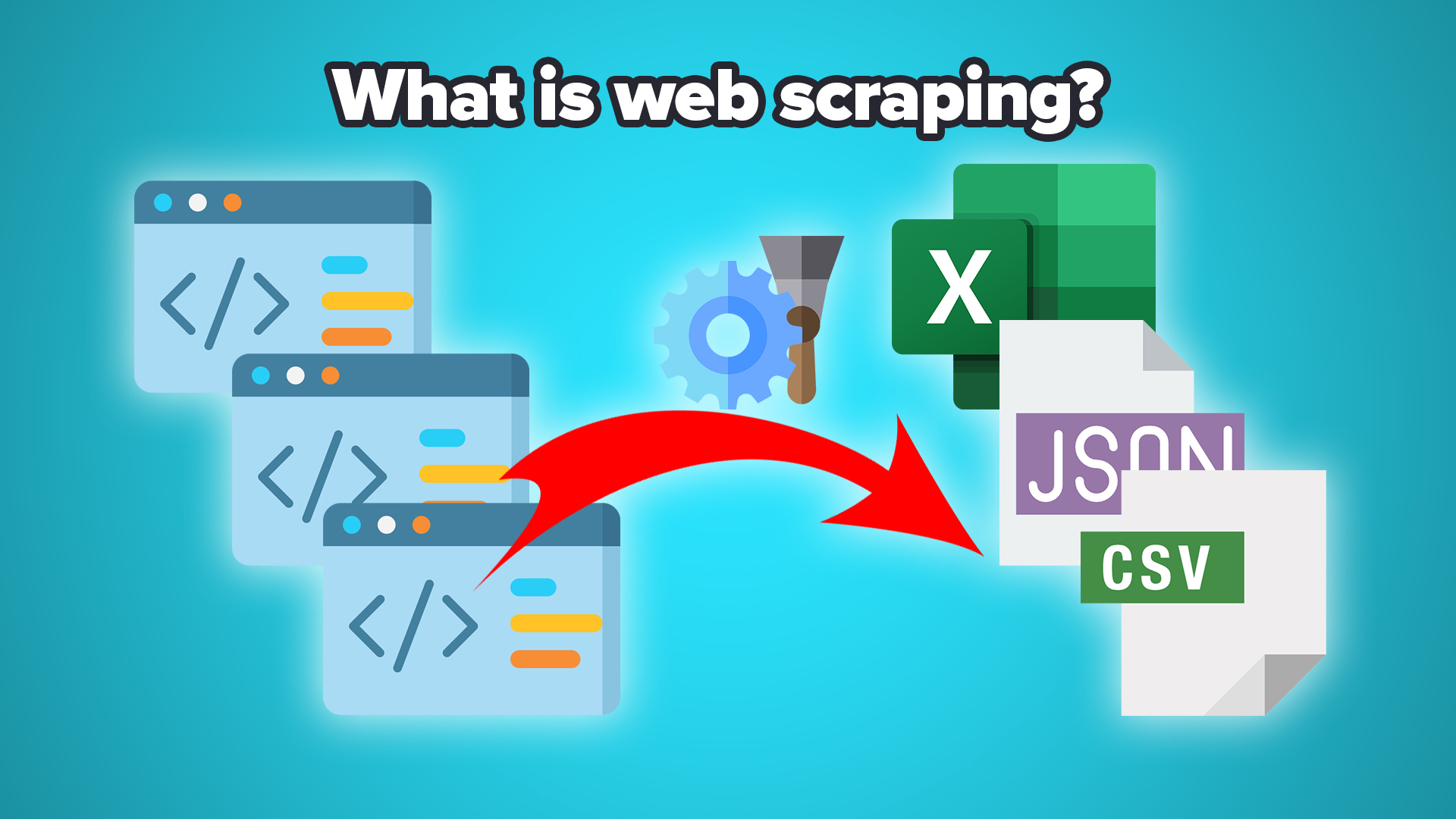
Web scraping has become an essential tool for gathering data from websites, enabling businesses, researchers, and developers t AI Powered Web Scraping o collect vast amounts of information for various purposes. While web scraping can be highly beneficial, it also raises important ethical questions. As the technology evolves, it is crucial to understand the ethical implications involved in scraping data from websites. This article will explore the ethics of web scraping, covering issues such as legality, privacy concerns, and responsible data usage to help you navigate this growing field with integrity.
- Understanding the Legality of Web Scraping
One of the primary concerns surrounding web scraping is its legality. Although web scraping itself is not inherently illegal, it can violate the terms of service of many websites. Most websites include provisions in their terms and conditions that prohibit the automated extraction of data, and scraping such websites could result in legal actions such as being blocked or sued. The legality of scraping often hinges on whether the data being scraped is publicly accessible, whether the scraping process disrupts the website’s operations, and whether it violates intellectual property laws.
It’s essential to review the terms of service and robots. txt file of any website you wish to scrape. The robots. txt file is a standard used by websites to indicate which parts of their content can or cannot be accessed by web crawlers. If a website explicitly disallows scraping, disregarding these instructions can lead to ethical and legal issues. In some jurisdictions, scraping could also violate anti-hacking laws, especially if it involves bypassing security measures or scraping at an excessive rate that impacts a site’s performance. Therefore, ensuring that your scraping activities are legal should always be a priority before beginning any scraping project.
- Respecting Privacy and Data Protection
Another significant ethical concern in web scraping is privacy. While public data is often scraped from websites, it’s important to differentiate between information that is truly public and information that may contain personal or sensitive data. Websites often publish user-generated content, such as comments or reviews, which could contain personal information that users did not intend to be shared in such a manner. Scraping and redistributing this data without the user’s consent could violate their privacy, even if the content is publicly visible.
In regions like the european union, privacy laws such as the General Data Protection Regulation (GDPR) impose strict regulations on how personal data can be collected, stored, and shared. If you scrape data that includes personal details, you may be subject to these laws, which require you to obtain explicit consent from individuals or anonymize the data before processing it. Businesses involved in web scraping must ensure that they don’t inadvertently violate privacy rights and should take steps to handle personal data with care and respect.
- Preventing Harm to Websites and Infrastructure
The ethical implications of web scraping also extend to the impact scraping can have on websites and their infrastructure. If not properly managed, web scraping can place a heavy load on a website’s server by sending too many requests in a short amount of time. This can slow down the website or even cause it to crash, disrupting the site’s operation and affecting users’ experience. Scraping too aggressively or failing to respect rate limits can be seen as a form of digital vandalism.
To act ethically, web scrapers should ensure that their activities don’t overburden a website’s server. This can be done by setting appropriate delays between requests, respecting rate limits, and ensuring that scraping is done during off-peak hours. Some advanced scraping tools even include features that allow users to adjust the speed and frequency of requests to minimize the impact on the server. Additionally, responsible scrapers should be mindful of any web scraping guidelines provided by websites and avoid scraping data in ways that disrupt normal website usage.
- Transparency and Fair Use of Data
An often-overlooked ethical aspect of web scraping is transparency in how the data is used. While it’s legal to scrape publicly available data, using that data ethically requires responsible handling and transparency. For instance, if you are scraping data from social media platforms, blogs, or other sources, it’s important to use that data in a way that is aligned with the original intent of the data creators. Reposting or monetizing scraped content without proper attribution or consent can be seen as unethical, especially when it involves copyrighted materials or content that creators have invested time and effort into.
Moreover, businesses scraping data for competitive intelligence or research purposes must be careful not to infringe on intellectual property rights or misrepresent the data. For example, scraping a competitor’s pricing information to undercut them without offering added value to customers can be seen as unethical. Ethical web scraping practices involve ensuring that data is used responsibly, with respect for intellectual property, and that scraped data is not manipulated or used to deceive others.
- The Role of Ethical Scraping Practices in business
As web scraping becomes increasingly common in business operations, adopting ethical scraping practices is crucial for long-term success. Businesses that respect legal boundaries, prioritize user privacy, and minimize their impact on websites can build trust with consumers and avoid potential legal issues. In addition, adhering to ethical standards helps companies maintain a good reputation in the data science and tech communities, where reputation and trustworthiness are paramount.
Ethical web scraping practices can also promote positive relationships with website owners and operators. Some websites may offer APIs or provide explicit permissions for scraping, allowing businesses to gather data in a way that benefits both parties. By choosing to engage in ethical web scraping, companies can contribute to a more transparent, respectful, and collaborative data ecosystem, where businesses and website owners can coexist without conflict.
Conclusion
While web scraping offers significant advantages for businesses and researchers, it’s essential to approach it with a strong sense of ethics. Ensuring that your scraping activities comply with legal guidelines, respect privacy, and avoid harming websites is crucial for responsible data collection. By practicing transparency and fairness in how scraped data is used, businesses can avoid legal risks, maintain ethical standards, and foster a positive reputation in the digital world. As web scraping continues to evolve, staying informed about ethical considerations will allow you to harness its power without compromising integrity.