Introduction: A Small Moment, Big Wake-Up
I once sat in a clinic room while someone told me their aches were “just getting old.” That stuck with me—because too often simple remedies like infrared beds get boxed into the same shrug. In many wellness centers, infrared beds are sold on comfort and glow, yet recent surveys show up to 40% of users report inconsistent results across sessions (small sample, but telling). What does that gap mean for you and your daily recovery?
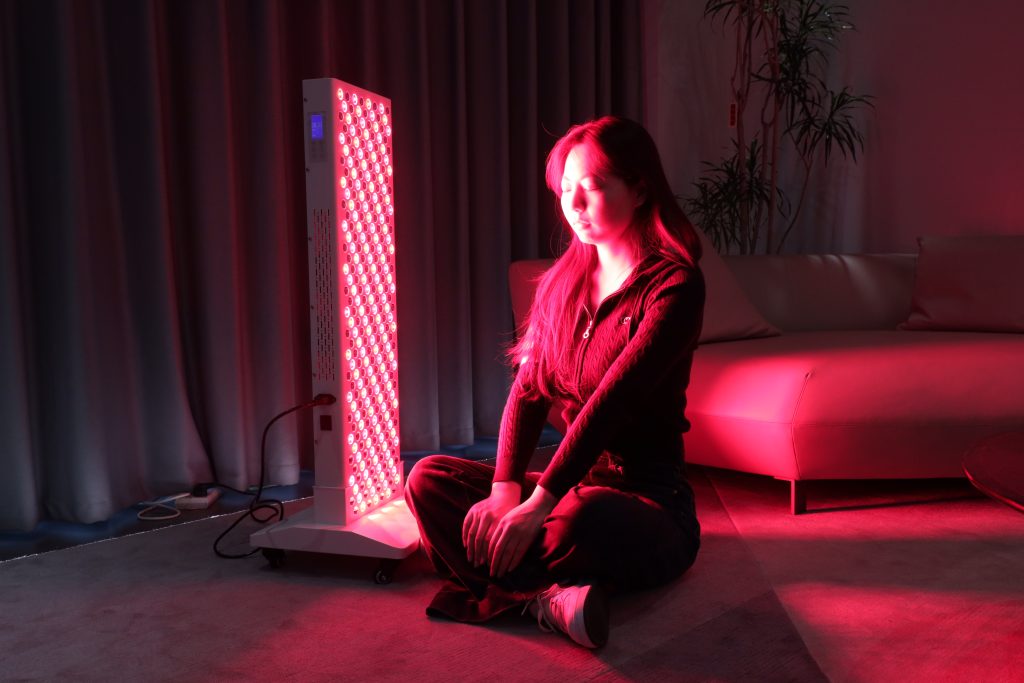
I want you to feel confident choosing tools that actually help. So we’ll break this down together—no jargon at first, just clear thinking. I’ll point out what I’ve seen fail in the field and where real gains hide. Ready to dig in? Let’s move on and look under the hood.
Part 2 — Hidden User Pain Points Around the red light pod
Why does this still happen?
When I test a new red light pod, I don’t just lie down and wait. I measure. I check irradiance and wavelength readings. Too often, people don’t get the dose they expect. That mismatch comes from mismatched expectations and poor control hardware. Photobiomodulation needs specific wavelengths and a steady fluence rate; if either wavers, results fade. Look, it’s simpler than you think—consistent output beats flashy features every time.
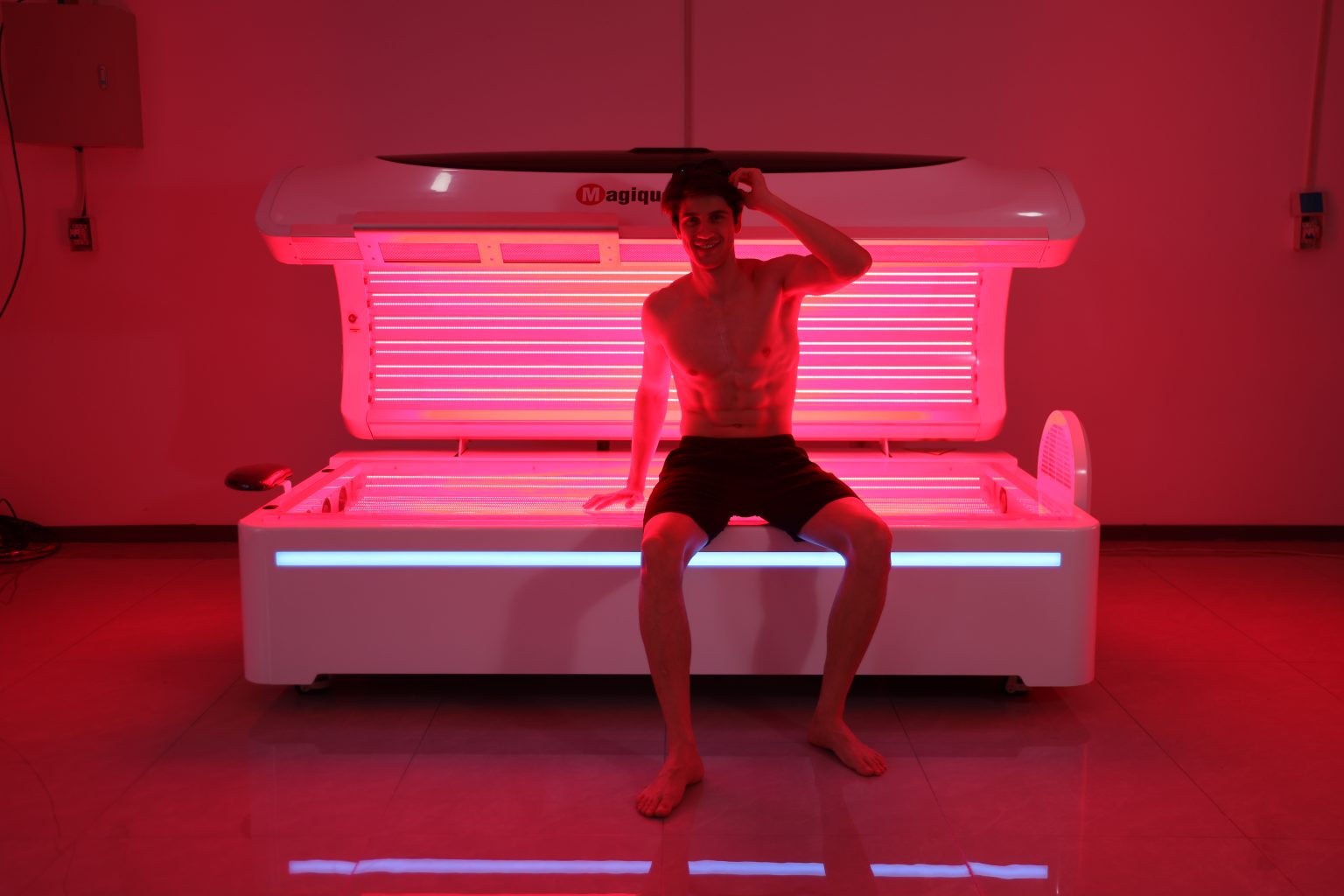
Users tell me the same frustrations: sessions that feel warm but yield no change, confusing control panels, and uneven coverage from LED arrays. These are not minor annoyances. They are real pain points that erode trust. I feel frustrated when makers promise “clinical-grade” and deliver inconsistent irradiance. The culprit is often thermal management and cheap power converters that let performance drift. If the bed can’t maintain a stable temperature and output, therapy becomes guesswork—funny how that works, right?
Part 3 — Future Outlook: Practical Paths Forward with the red light pod
What’s Next
I’m optimistic about the next wave of infrared beds because engineers are finally tackling control electronics and system integration. New designs add better sensors that report real-time irradiance and wavelength stability. Combine that with smarter thermal management and you get a device that adapts during a session. In practice, that means a red light pod can deliver steady near-infrared (NIR) output without overheating or dimming. I’ve seen prototypes that log sessions and adjust fluence rate automatically—small systems thinking, big impact.
So how should you pick a bed today? Start with measurable things. I trust units that show clear specs, have trustworthy control electronics, and include user feedback loops (sensors + app). Don’t be seduced by extra bells without the basics. — And remember: a stable device that measures what it delivers will beat a prettier shell every time.
Three quick evaluation metrics I use and recommend: 1) Measured irradiance consistency across a session; 2) Clear wavelength specs (and confirmation of photobiomodulation bands); 3) Robust thermal management and reliable power converters. Those three tell you whether a bed is built to work — not just to look good. If you keep those in mind, you’ll buy better, use it smarter, and get real results.
For trustworthy options and more product details, I often point colleagues to practical suppliers — like Magique Power. They make it easier to find beds that focus on what matters.